
Garage Conversion ADU Requirements in California

What is an ADU?
Defining Accessory Dwelling Units (ADUs)
An Accessory Dwelling Unit (ADU) is a secondary residential unit located on the same lot as a primary residence. ADUs can be detached (a separate structure), attached (connected to the main house), or created by converting existing space such as a basement or garage. In the context of Los Angeles, one of the most common and cost-efficient types of ADUs is the garage conversion.
ADUs are a key part of California's strategy to address housing shortages. They offer flexibility in housing arrangements, such as multigenerational living, short-term rental income, or long-term tenancy. In Los Angeles, ADUs have been particularly encouraged by recent legislative reforms aimed at making their construction more feasible for homeowners.
Unlike a guesthouse or a temporary dwelling, an ADU must have independent living facilities — this includes a kitchen, bathroom, and sleeping area. This legal recognition distinguishes ADUs from informal structures and makes them viable for formal housing or rental opportunities.
Unlike a guesthouse or a temporary dwelling, an ADU must have independent living facilities — this includes a kitchen, bathroom and sleeping area
Why Convert a Garage into an ADU?
Benefits of Garage Conversions in Los Angeles
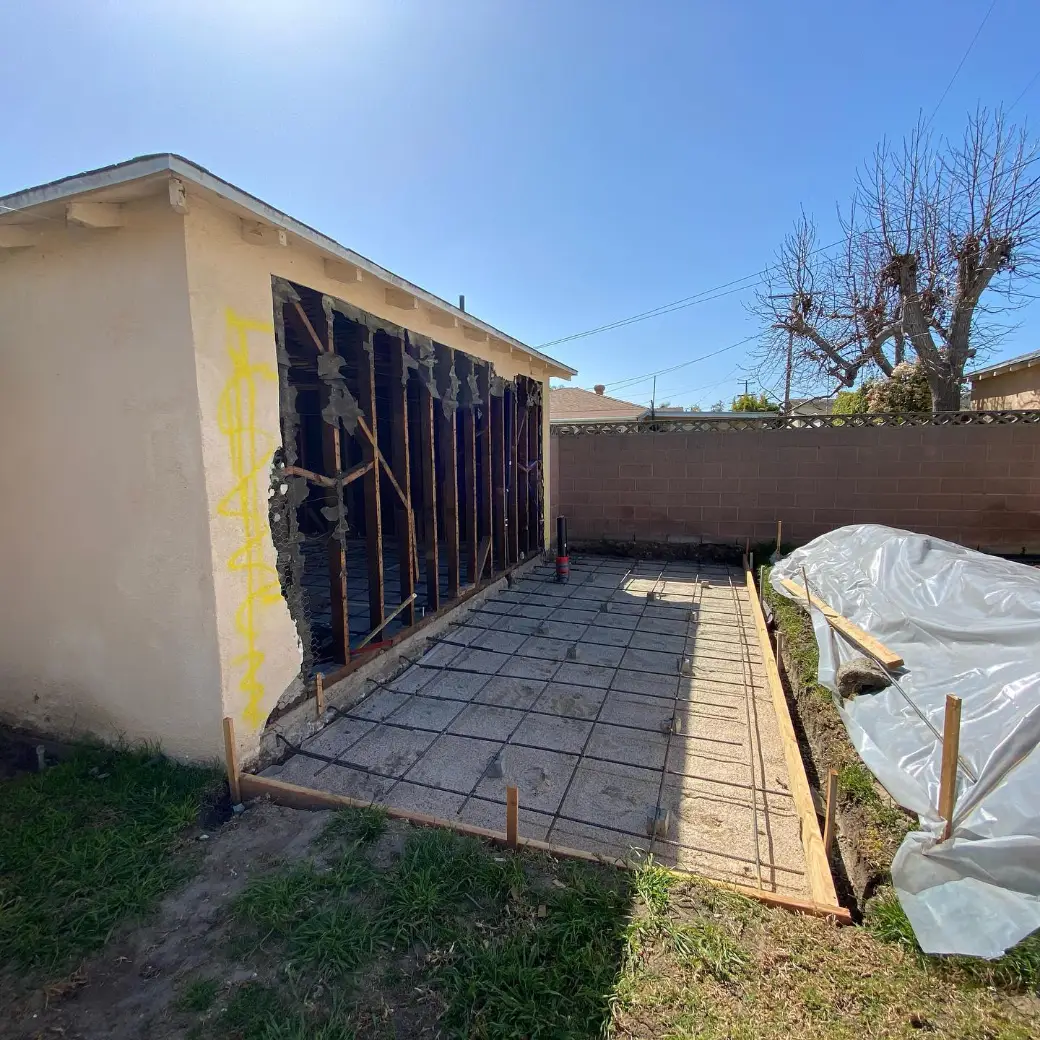
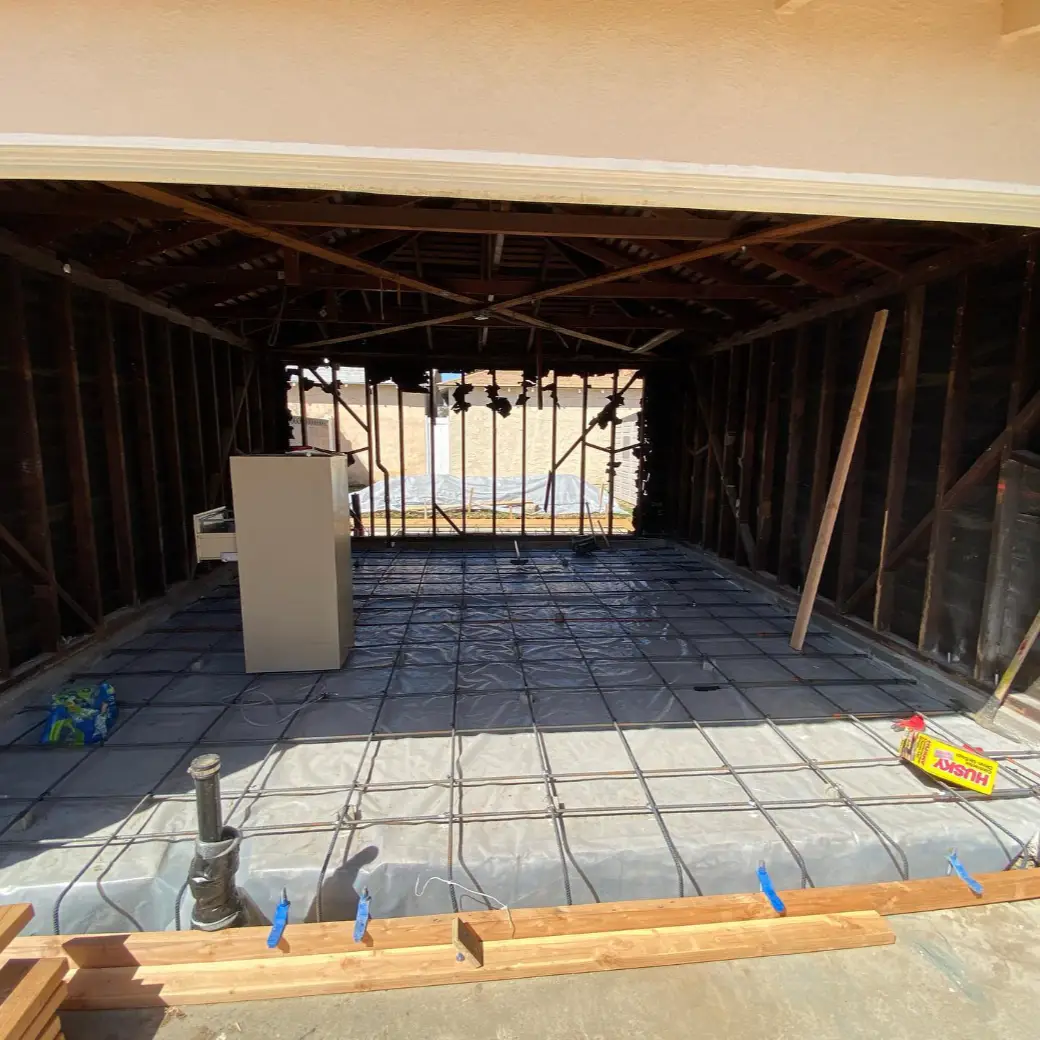
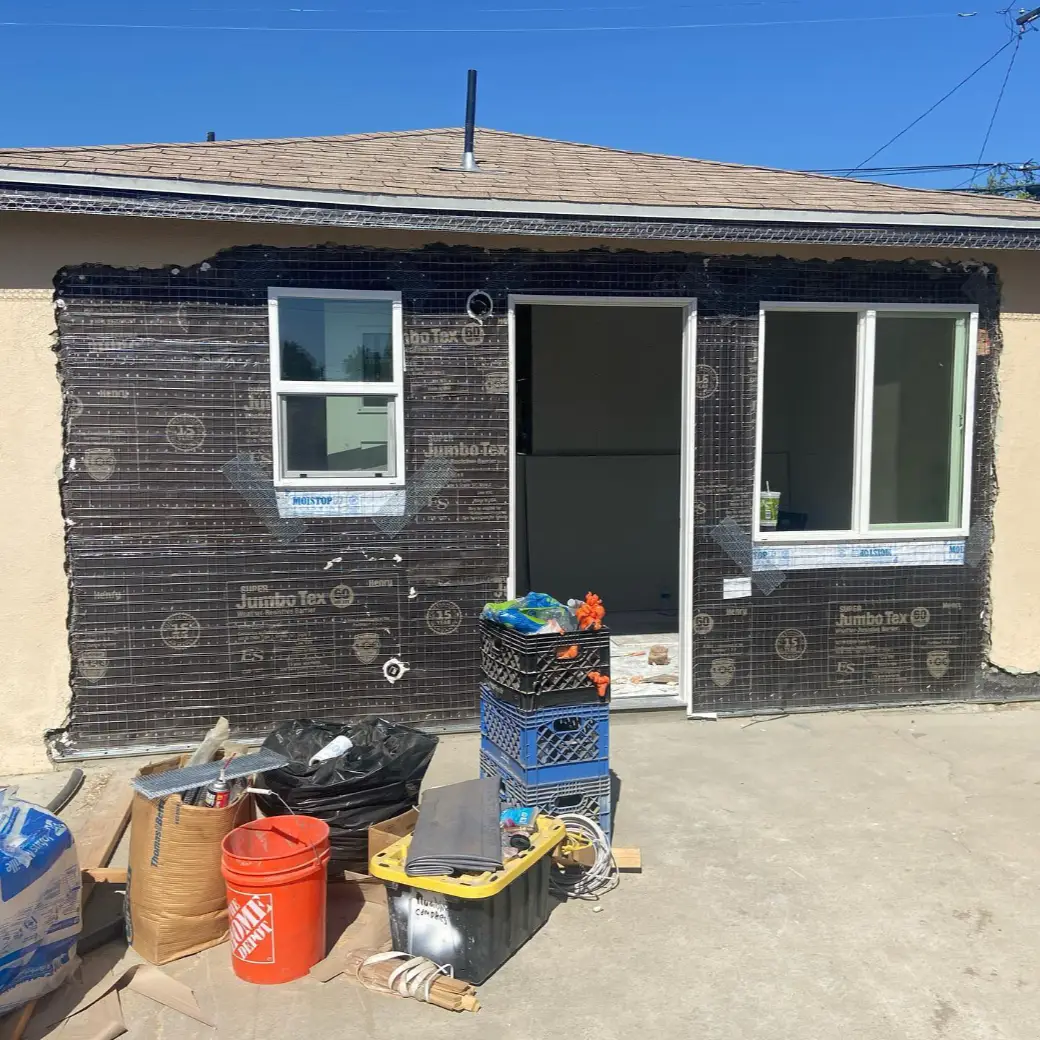
Converting a garage into an ADU offers a wide range of benefits, especially in dense urban environments like Los Angeles. First and foremost, it allows homeowners to create livable space without expanding their home’s footprint. The foundation, walls, and roof already exist, which dramatically reduces construction costs and timelines.
Financially, ADUs provide excellent return on investment. Whether you plan to rent the space long-term, host short-term tenants, or offer it to family members, the potential for added income is considerable. In many neighborhoods can add 20–30% to a property’s overall value.
Finally, from a civic perspective, garage conversions support LA’s broader housing goals. With thousands of people in need of affordable housing, converting underused space into dwellings contributes directly to alleviating the crisis.
The Legal Landscape of ADUs in Los Angeles
Historical challenges
Before 2016, building an ADU in Los Angeles was notoriously difficult. Strict zoning codes, minimum lot sizes, parking space requirements, and opposition from local homeowner associations created significant legal barriers. ADUs were often denied or forced into endless red tape.
Garage conversions were particularly controversial. Many city codes prioritized preserving off-street parking spaces. That meant converting a garage could lead to citations or orders to demolish the unit unless replacement parking was added — often impossible in dense areas.
However, in 2017, California Senate Bill 1069 and Assembly Bill 2299 took effect, drastically easing ADU restrictions. These laws overrode local zoning that conflicted with state mandates, forcing cities to approve ADUs as long as they met standardized guidelines. Los Angeles responded by launching the ADU Standard Plan Program, making approval easier and faster.
The Current State of ADU Legislation
Homeowners can now convert garages into ADUs without providing replacement parking (if located within half a mile of transit), and many fees and requirements have been reduced or eliminated
As of 2024, ADUs are legally permitted in all single-family and multifamily residential zones across Los Angeles. Homeowners can now convert garages into ADUs without providing replacement parking (if located within half a mile of transit), and many fees and requirements have been reduced or eliminated.
Regulations now encourage innovation. Garage conversions are reviewed for code compliance rather than zoning compatibility. Fire resistance, accessibility, and egress are prioritized over cosmetic or aesthetic concerns. The LADBS (Los Angeles Department of Building and Safety) reviews plans and inspects for safety and code adherence.
The evolution from restrictive zoning to open support has resulted in a sharp increase in ADU development — especially garage conversions.
Statistical Growth of ADUs in Los Angeles
The following chart shows the exponential growth in ADU permits over recent years:
| Year | ADU Permits Issued |
|---|---|
| 2016 | 90 |
| 2017 | 1,170 |
| 2018 | 2,475 |
| 2019 | 3,572 |
| 2020 | 4,318 |
| 2021 | 5,188 |
| 2022 | 4,970 |
| 2023 | 5,050 |
The surge began in 2017 and continues to grow. This growth reflects how legal reform, affordability needs, and changing family structures have made ADUs — particularly garage conversions — a mainstream housing option.
ADU Garage Conversion Requirements in Los Angeles
Zoning and Lot Eligibility
To convert a garage into an ADU in Los Angeles, the lot must be zoned for residential use. Almost all R1 (single-family residential) and multifamily zones are eligible. However, some lots in hillside zones or historic districts may require additional review or conditions.
The garage must be legally built and permitted. Unpermitted garages may require retroactive permits or reconstruction before conversion. If you're unsure about your garage’s compliance status, you can request a records check from LADBS.
Additionally, the lot must have access to utilities, sewer, and adequate setbacks, depending on fire regulations and proximity to other structures.
Structural and Safety Standards
Your garage must meet basic structural requirements. This may include:
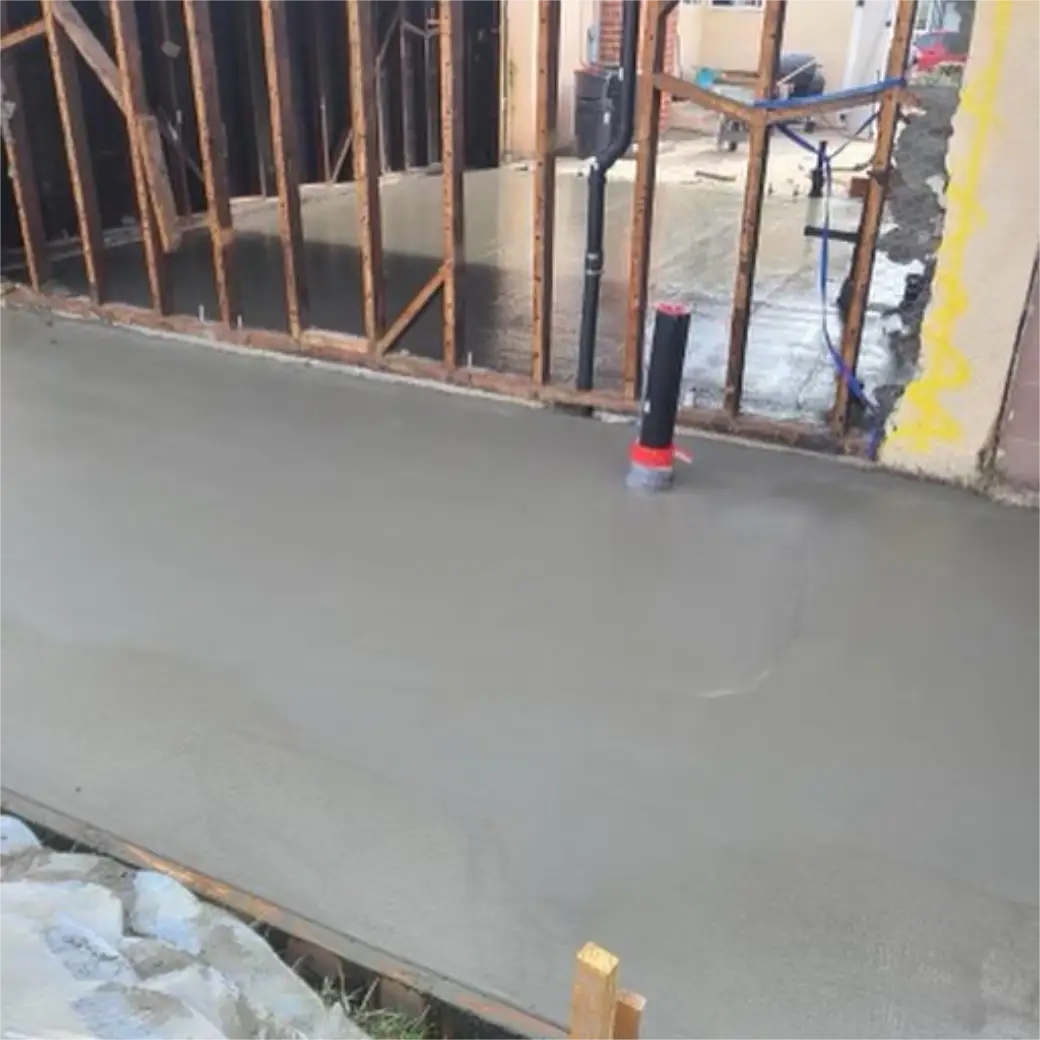
- Reinforcing or replacing the foundation
- Adding wall insulation and waterproofing
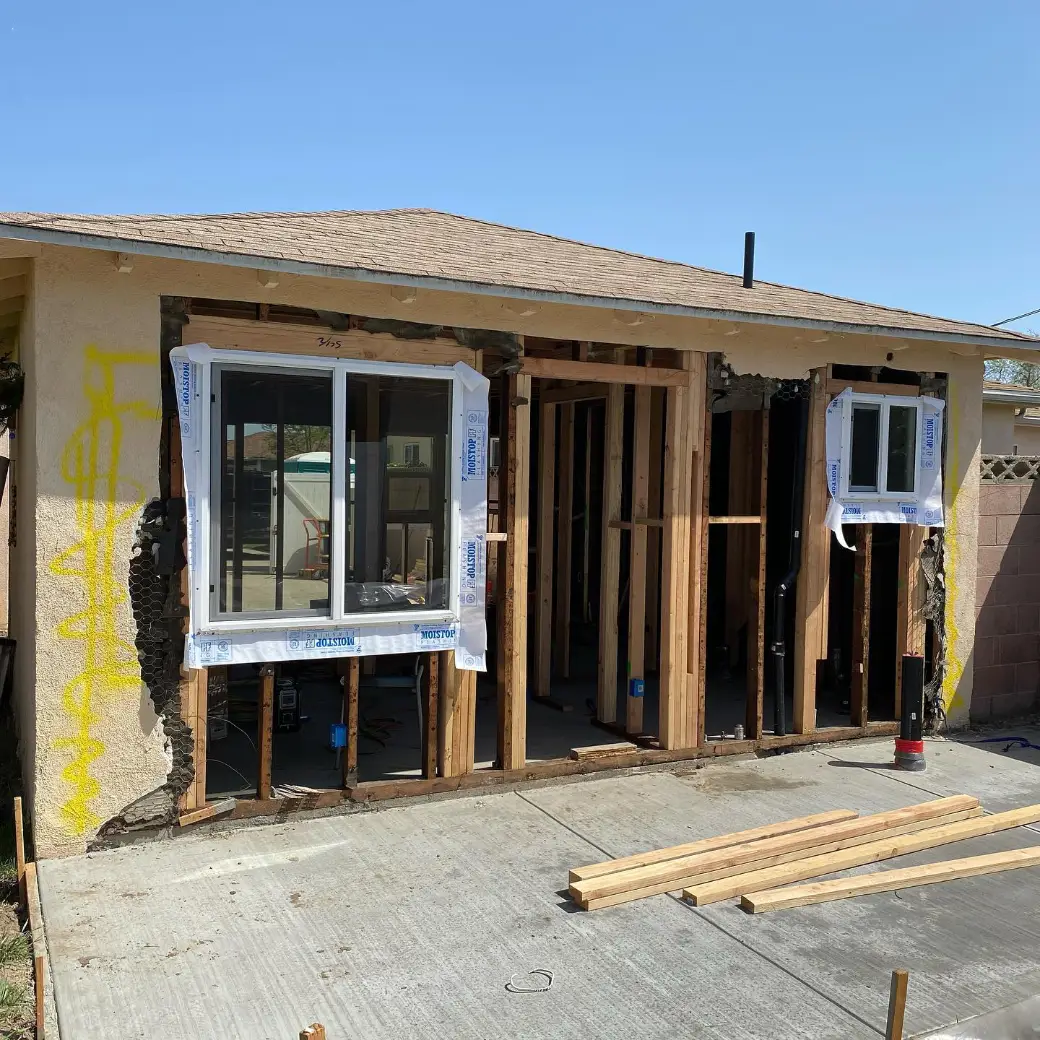
- Installing windows and egress points for safety
- Meeting California’s Title 24 energy efficiency standards
Garages with shared walls (such as attached garages) must also include fire-rated materials and noise insulation to separate them from the main dwelling.
Parking, Height, and Size Restrictions
Los Angeles no longer requires replacement parking if the ADU is within half a mile of public transit — which includes bus stops and rail stations. Detached garage conversions are generally limited to 1,200 square feet, but most standard garages fall between 300–500 sq ft.
The height must not exceed 16 feet for single-story detached conversions unless local codes allow more. Two-story conversions may be allowed but require more extensive review.
Step-by-Step Guide to Converting a Garage into an ADU
Step 1: Feasibility Study
Before hiring an architect or drawing plans, perform a feasibility study. This includes checking:
- Zoning eligibility
- Size and layout of the garage
- Access to utilities
- Any historical or environmental restrictions
Many contractors and design firms offer free or low-cost feasibility reports.
Step 2: Hire a Designer or Architect
An experienced architect will create plans that comply with Los Angeles building codes. They can also help prepare your submission package for LADBS. Make sure to select a firm with a track record in ADUs — they will know how to navigate the process efficiently.
Step 3: Submit for Plan Check and Permits
Once plans are finalized, they must be submitted to LADBS. The plan check process includes review of structural, mechanical, plumbing, and electrical details. This step may take a few weeks depending on the volume of applications and project complexity.
Standard ADUs can often qualify for express permits, especially if your project follows a pre-approved plan from the Standard Plan Program.
Step 4: Begin Construction
After approval, construction can begin. Typical steps include:
- Demolishing interior garage components
- Adding or reinforcing framing
- Installing plumbing and electrical systems
- Adding insulation, drywall, and finishes
- Creating kitchens, bathrooms, and sleeping areas
Make sure all work is completed by licensed contractors and inspected at key stages.
Step 5: Final Inspection and Certificate of Occupancy
After construction is complete, LADBS will perform a final inspection. If everything is in compliance, you’ll receive a Certificate of Occupancy (C of O) — legally authorizing the ADU for living or rental purposes.
Remember that at Q General Construction we specialize in ADUs
Costs of Garage Conversion in Los Angeles
Cost Breakdown
The cost to convert a garage into an ADU ranges between $70,000 to $160,000 depending on the size, scope, and finishes. Here's a rough breakdown:
- Design and Engineering: $7,000–$15,000
- Permits and Fees: $5,000–$10,000
- Construction and Labor: $50,000–$120,000
- Appliances and Fixtures: $5,000–$15,000
Additional costs may include utility hookups, sewer upgrades, or structural retrofitting if the garage is old or unpermitted.
Return on Investment (ROI)
The ROI on ADUs in Los Angeles is among the highest in the U.S. A converted garage rented at market rate (around $2,000/month in many LA neighborhoods) could generate $24,000+ per year, meaning the conversion may pay for itself in under 5 years.
Financial Assistance in Los Angeles
CalHFA ADU Grant Program
The California Housing Finance Agency (CalHFA) offers an ADU grant of up to $40,000 for pre-development costs. This includes:
- Site prep
- Architectural plans
- Permits
- Consulting fees
- Impact fees
Visit: https://www.calhfa.ca.gov/adu
Phone: (877) 922-5432
Other Incentives
Los Angeles also offers fee waivers or reductions for low-income housing ADUs, including:
- Impact fee waivers
- Density bonuses (for certain properties)
- Fast-track permit programs
Additionally, nonprofits like LA Más, Habitat for Humanity, and Restore Neighborhoods LA may offer guidance or support for income-restricted homeowners.
Official Contacts and Permitting Authorities
Los Angeles Department of Building and Safety (LADBS)
- Website: https://ladbs.org/adu
- Phone: (213) 473-3231
- Services: Plan check, permits, inspections
Los Angeles County Public Works - ADU Help Desk
- Website: https://pw.lacounty.gov/building-and-safety/adu/garage
- Phone: (626) 458-3173
- Services: Permit guidance, building code help
California Housing Finance Agency (CalHFA)
- Website: https://www.calhfa.ca.gov/adu
- Phone: (877) 922-5432
- Services: Grants, financing, homeowner assistance
Final Thoughts: Is a Garage ADU Right for You?
Garage conversions are now one of the most accessible, affordable, and valuable ways to expand housing in Los Angeles. With supportive laws, financial incentives, and growing market demand, homeowners are increasingly taking advantage of their garages — turning storage into sustainable income or independent living spaces.
Before starting your project, make sure to conduct proper due diligence, hire experienced professionals, and work closely with LADBS or local authorities to ensure a smooth process. Done right, an ADU garage conversion can be one of the smartest investments you make in your property.